Finding Light in the Shadows

How one chance encounter on a Huntington Beach street became nearly four years inside the world of bull terrier rescue, and why a camera became a powerful tool in the fight.

It started with a dog on the side of the road.

It was 2020. The industry had shut down. Studios were dark, sets were empty, and the creative work that had defined Steven’s life for years had simply stopped.

Like everyone else, he was home. Unlike most, he started looking for somewhere to put his energy that mattered.

He’d spent years giving back: working with orphanages, Wounded Warriors, adaptive sports programs. A humanitarian impulse had always run underneath the professional work. Now, with time he’d never had before, he started searching for a project.

He didn’t find it online. He found it on a street corner.

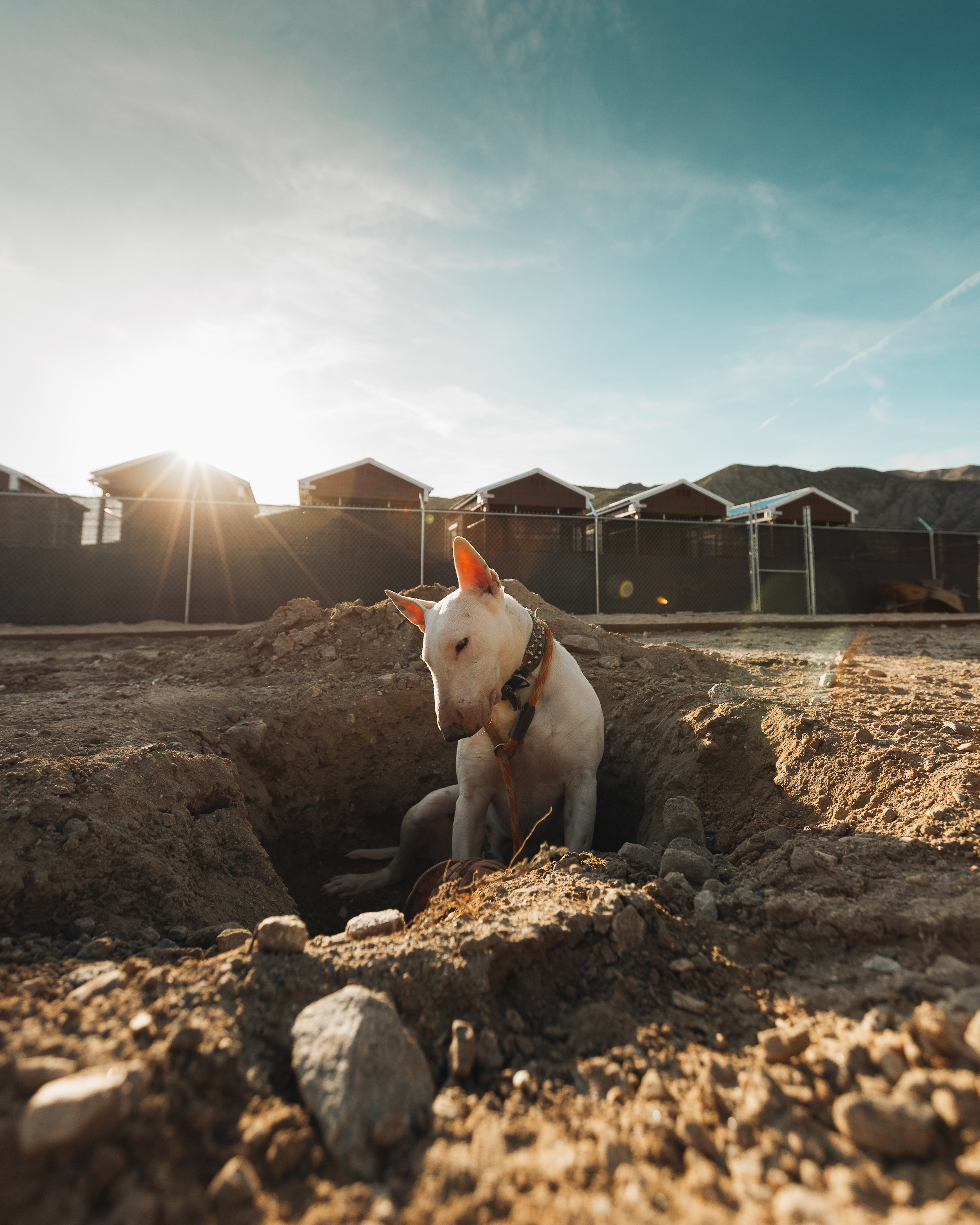
Bull Terrier digging outdoors

He pulled over on instinct.

Driving through Huntington Beach, he spotted a bull terrier on the sidewalk. Rare enough to stop you. This isn't a breed you just see walking around. He pulled over. His own bull terrier was in the car. They talked.

The conversation turned to bull terrier communities, groups, networks. He asked the question that changed everything:

"Is there a bull terrier rescue that needs help with content right now?"

She pointed him to a website. He made a call. And what he found on the other end wasn't just an organization. It was a world he hadn't known existed.
"He didn't even know what a networker was."

The first contact turned out to be a networker, not a rescue, but someone who moves dogs between shelters and rescues, racing against the clock to get them out before they're put down. Rescues don't euthanize. Shelters do. And for a bully breed, the window at a county shelter can be terrifyingly short. Bull terriers get red-tagged almost instantly. Marked for death, not for adoption, simply because of what they are.

Kane was the reason he drove to Palm Desert.

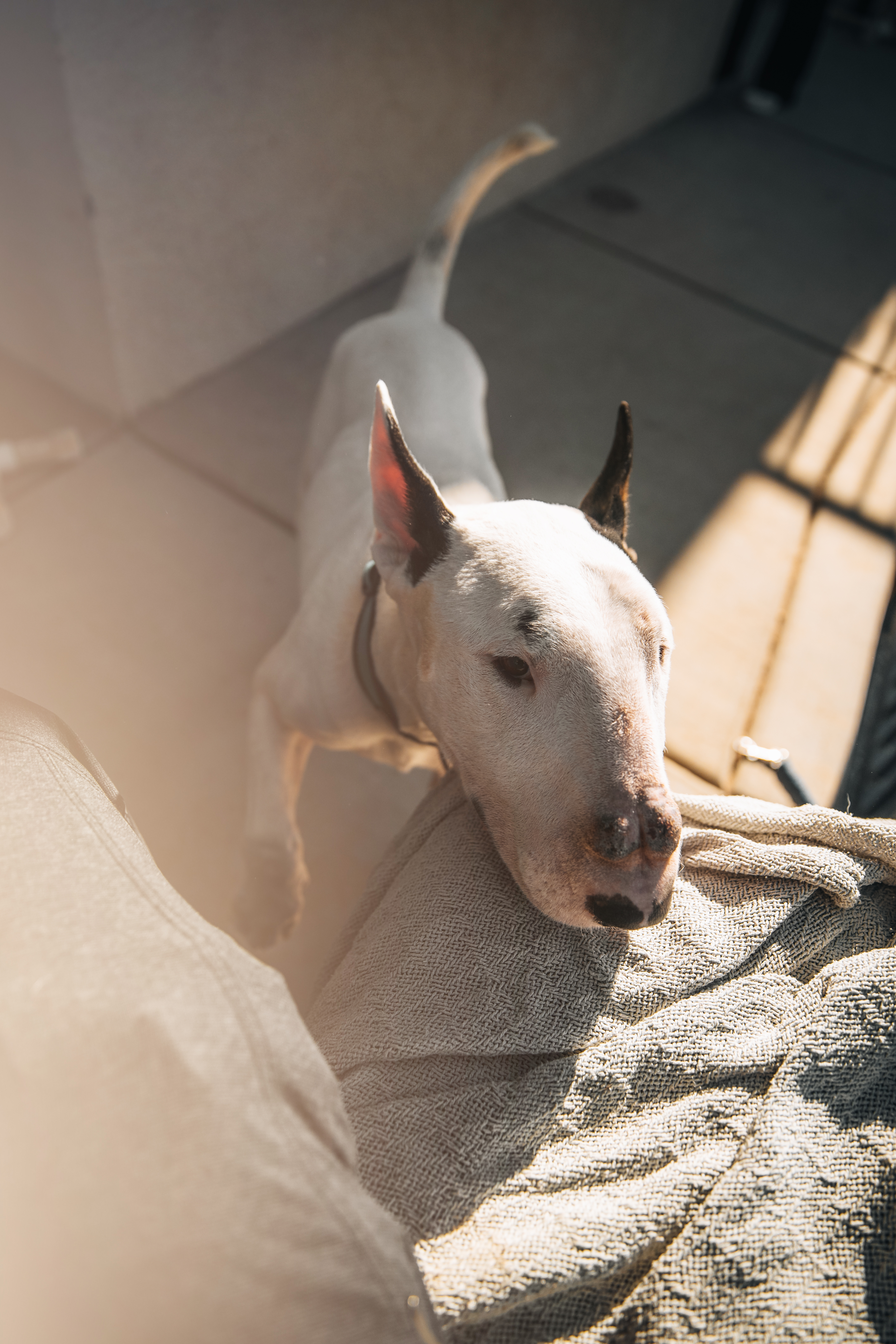
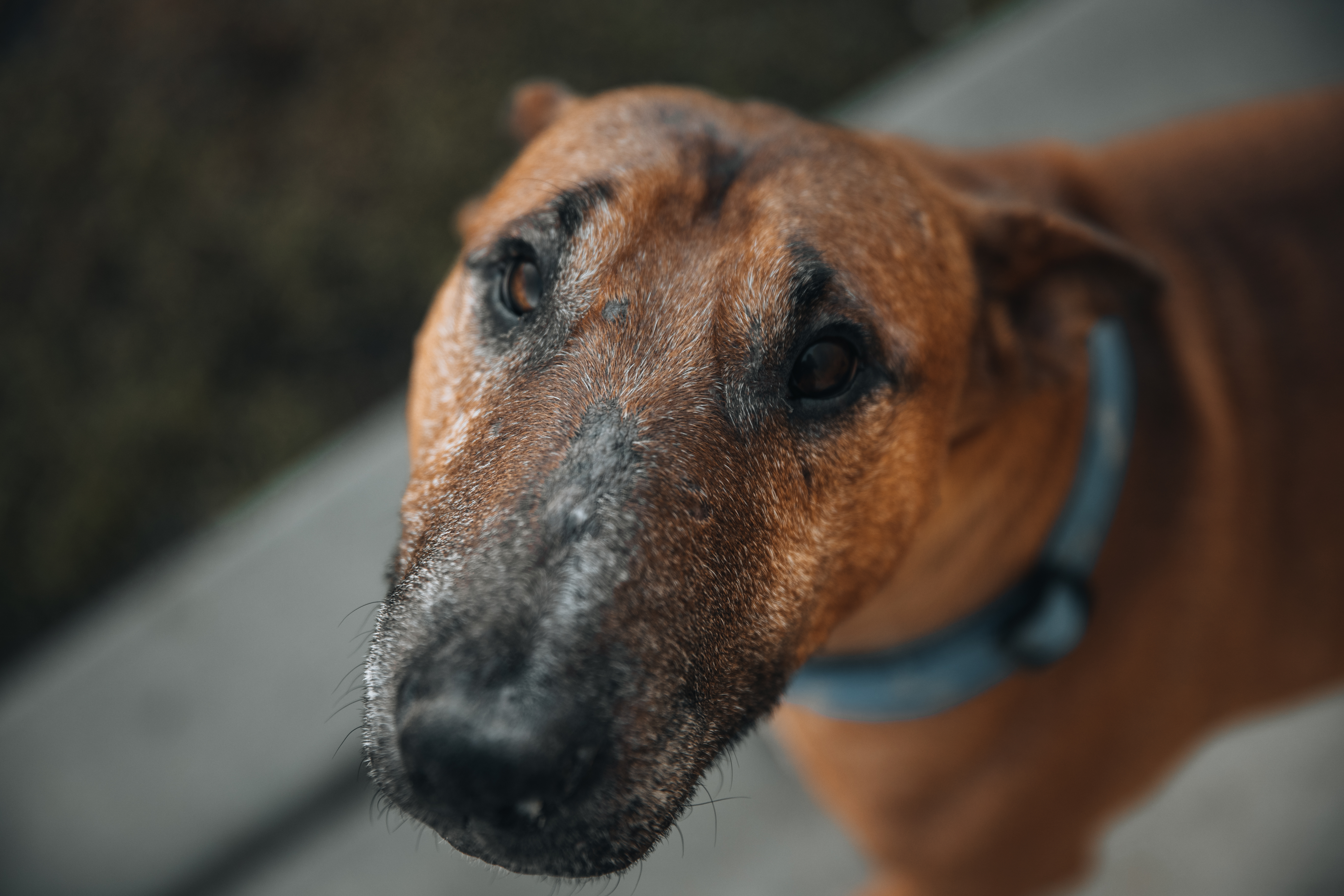
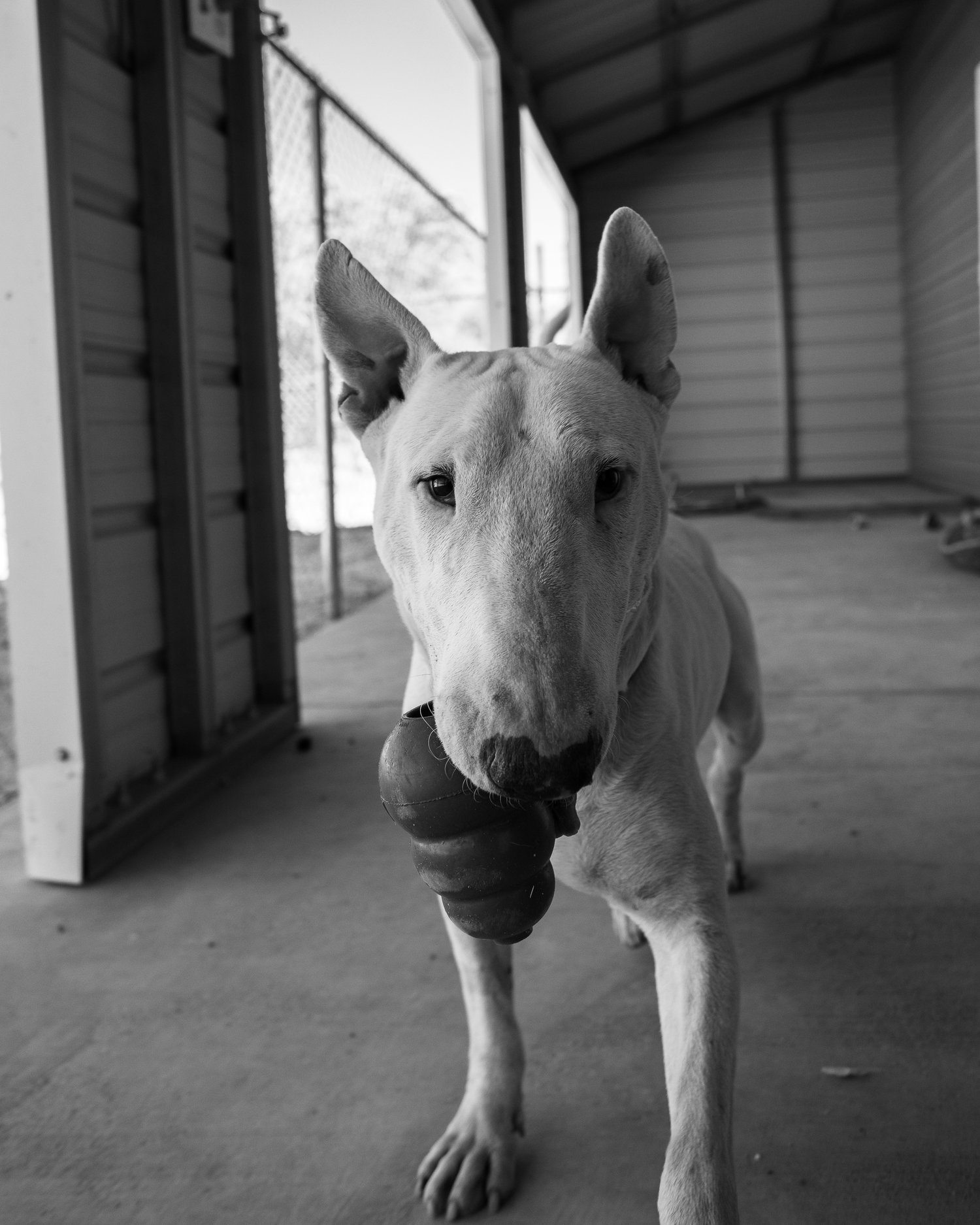
That networker introduced him to California Paws Rescue. And California Paws introduced him to Kane, a bull terrier at their facility in Palm Desert, exactly the kind of dog that gets overlooked. Traumatized. Bounced around. Carrying a medical history that made most people scroll past.

Steven's mom adopted him. Kane today is living his best life.

Their online presence failed to show who they really were.

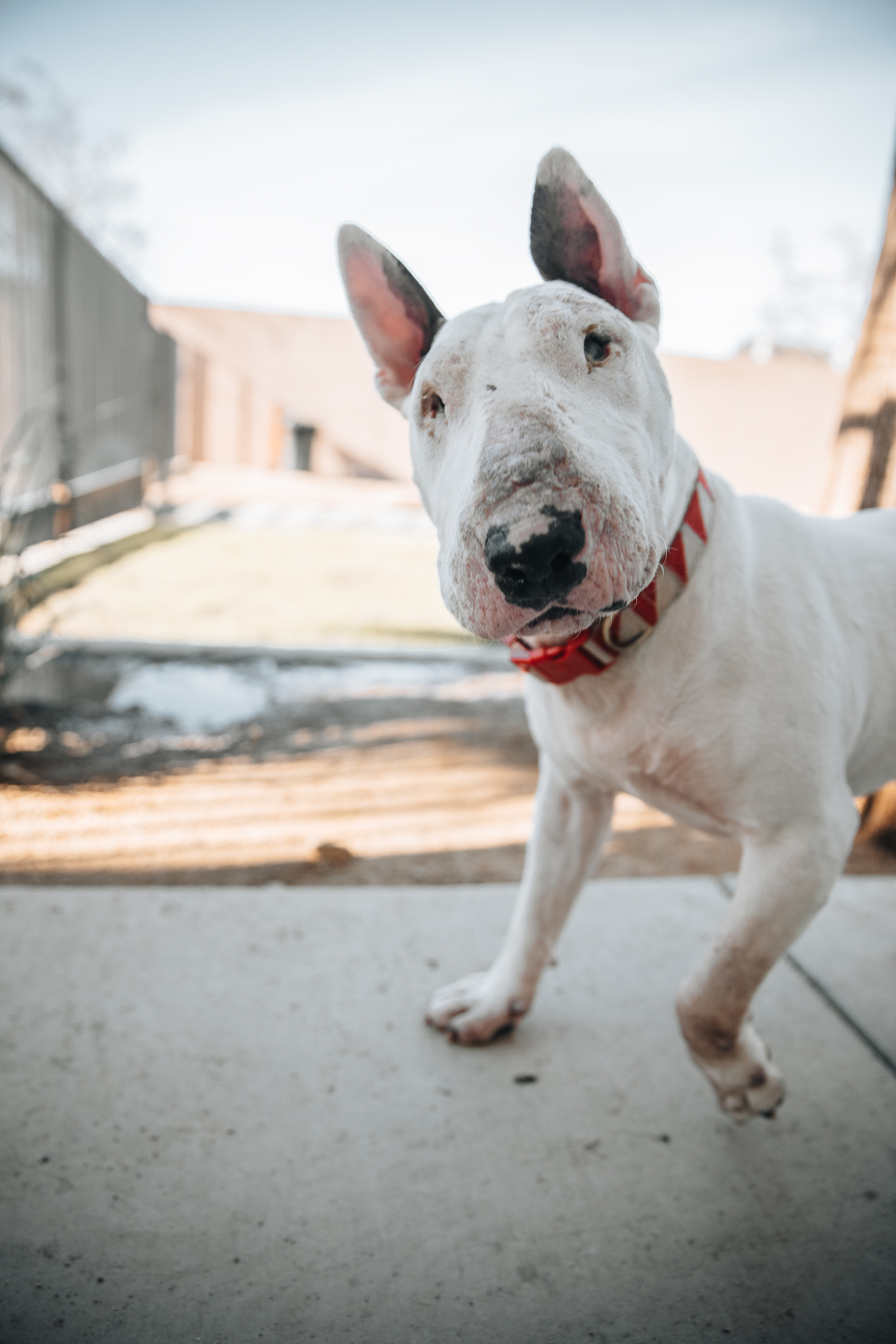
He recognized it immediately. The same thing a trained eye sees in any bad photograph. Flat light. No energy. Images that made complex, beautiful, deeply individual animals look like liabilities instead of lives.

He asked if they needed help getting their bull terriers seen.

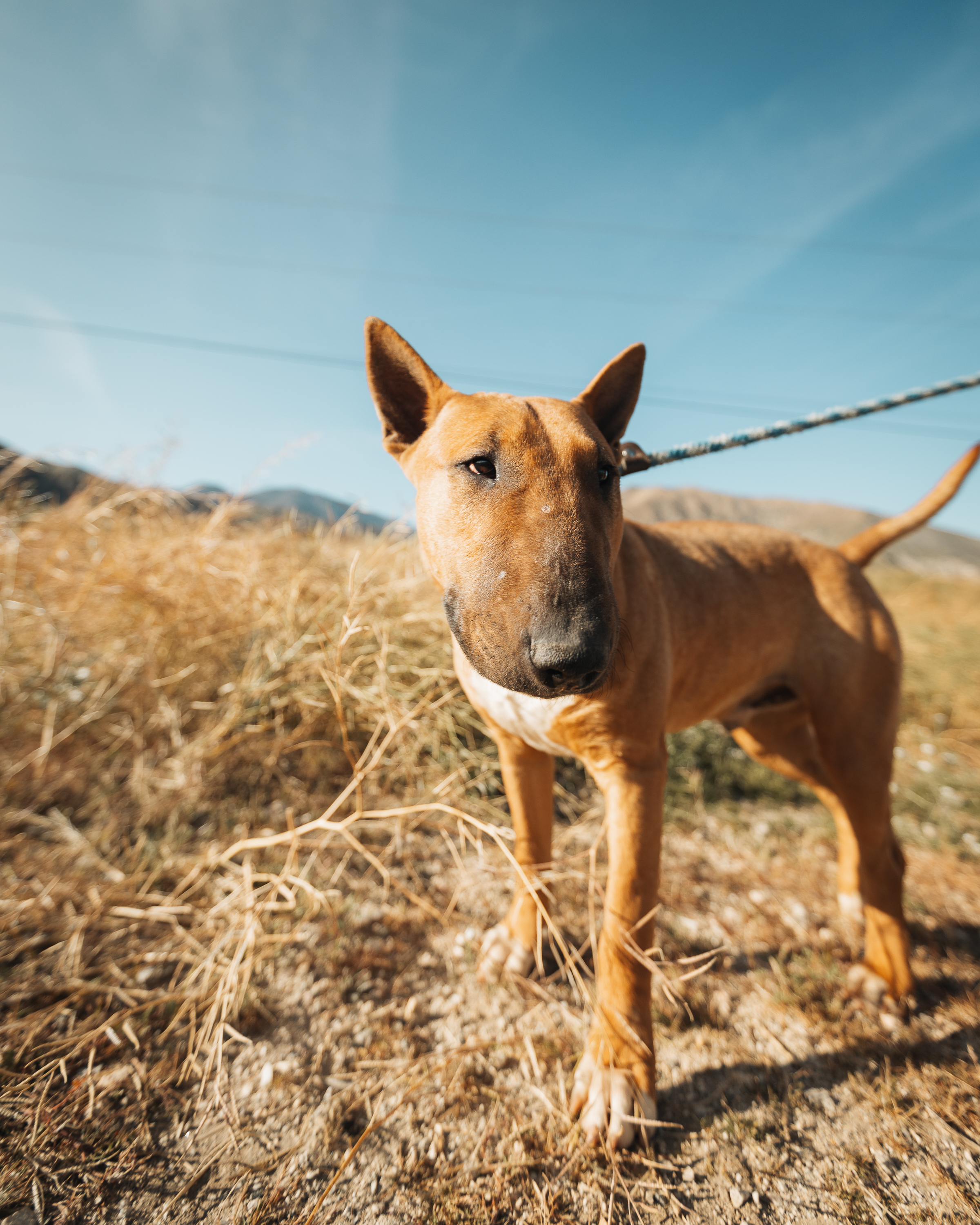
Bull Terrier outdoors

Being there was soothing and heavy at the same time.

Working inside a rescue changes you. These dogs had been abandoned, abused, left for nothing and yet the moment you walked through the gate, tails were going, energy was everywhere. That gap between what they'd been through and how they showed up every single day was something Steven never got used to.

And then you'd remember where they came from.

For every dog finding a second chance, there were dozens more in county shelters being red-tagged and destroyed not just bull terriers, but dogs of every breed. The county doesn't slow down. It doesn't reconsider. Bully breeds especially get marked and moved through the system with a speed that leaves almost no room for rescue.

Seeing that volume. Living inside that reality for nearly four years. It was the kind of weight that doesn't leave you when you go home.

His mission was simple.

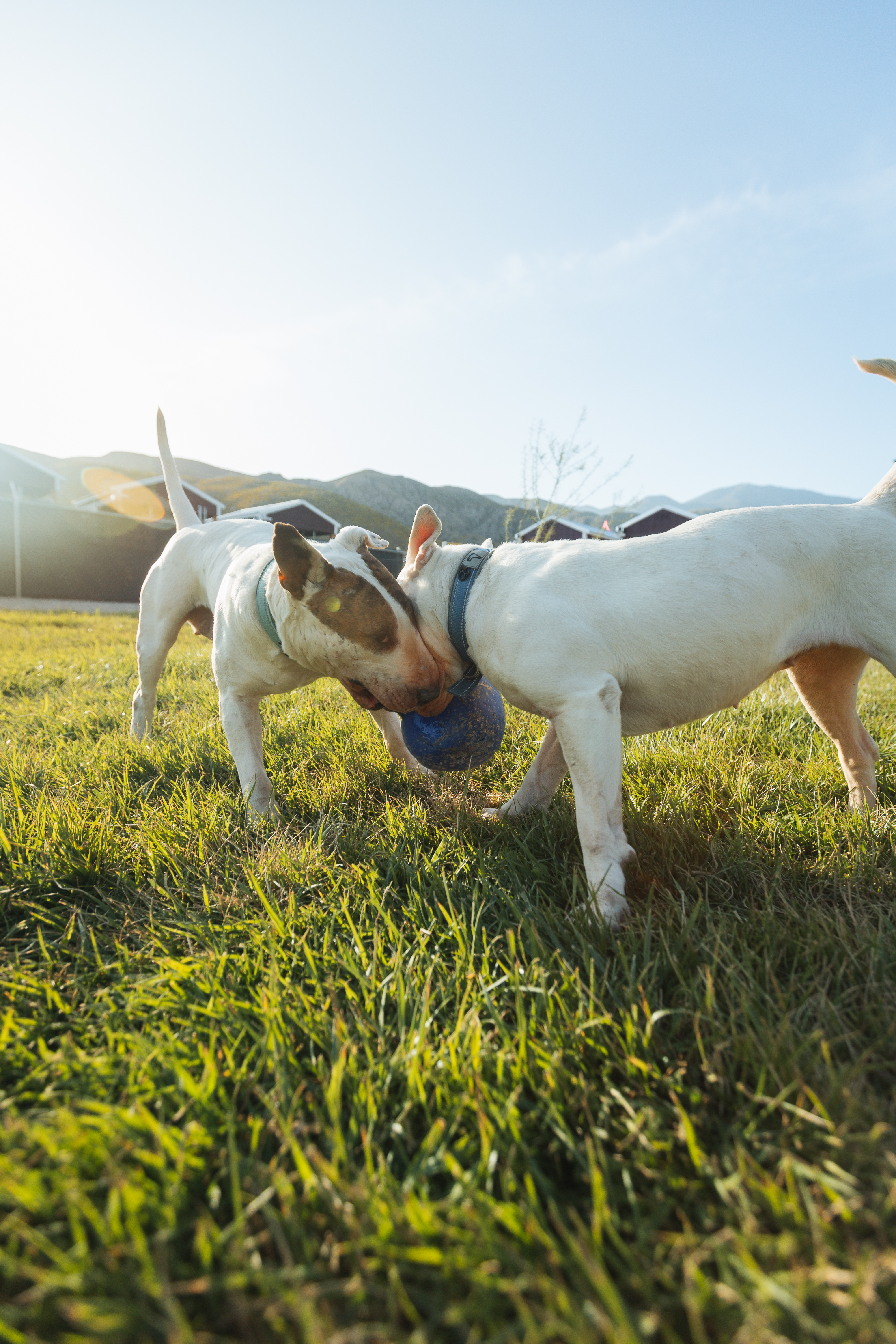
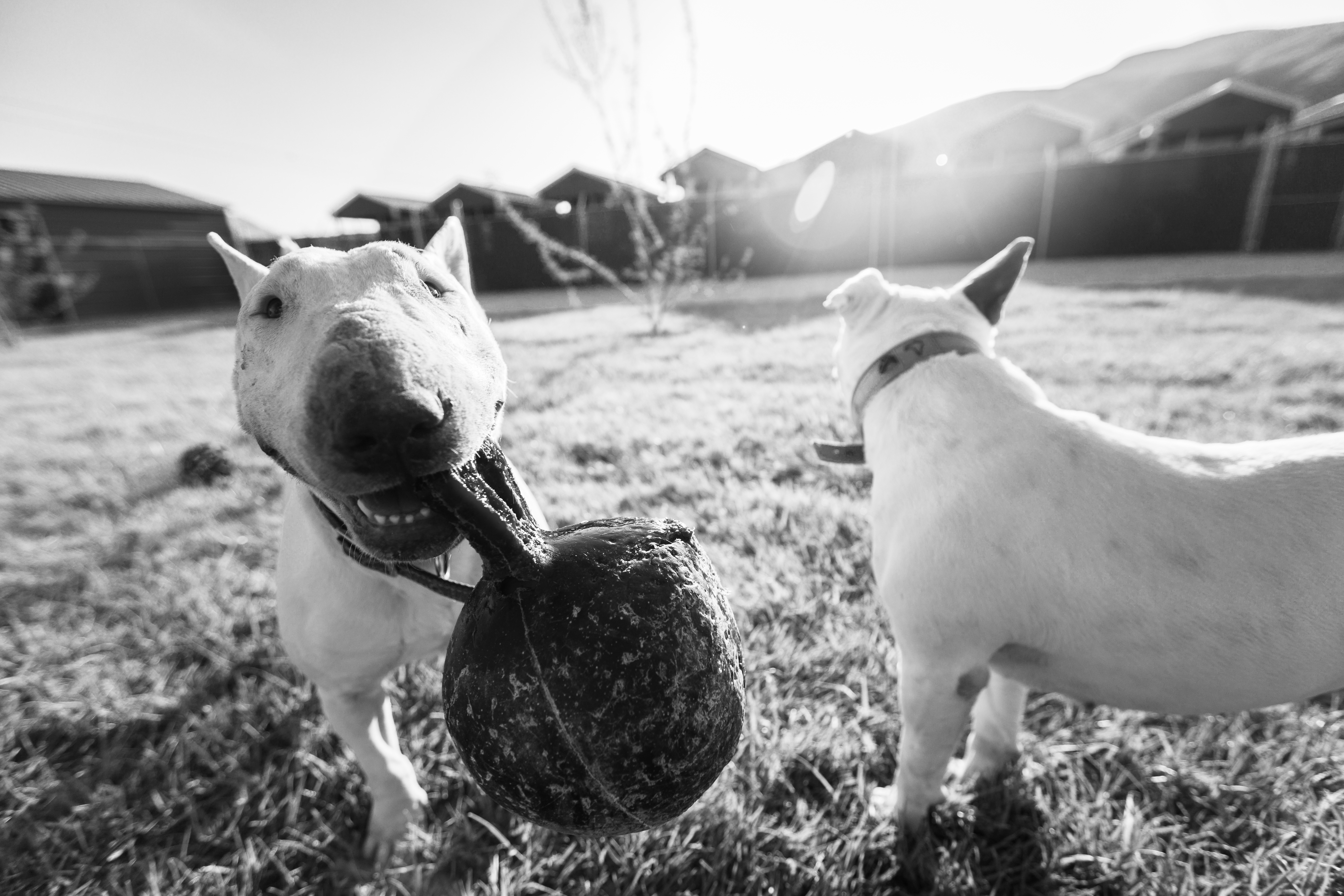
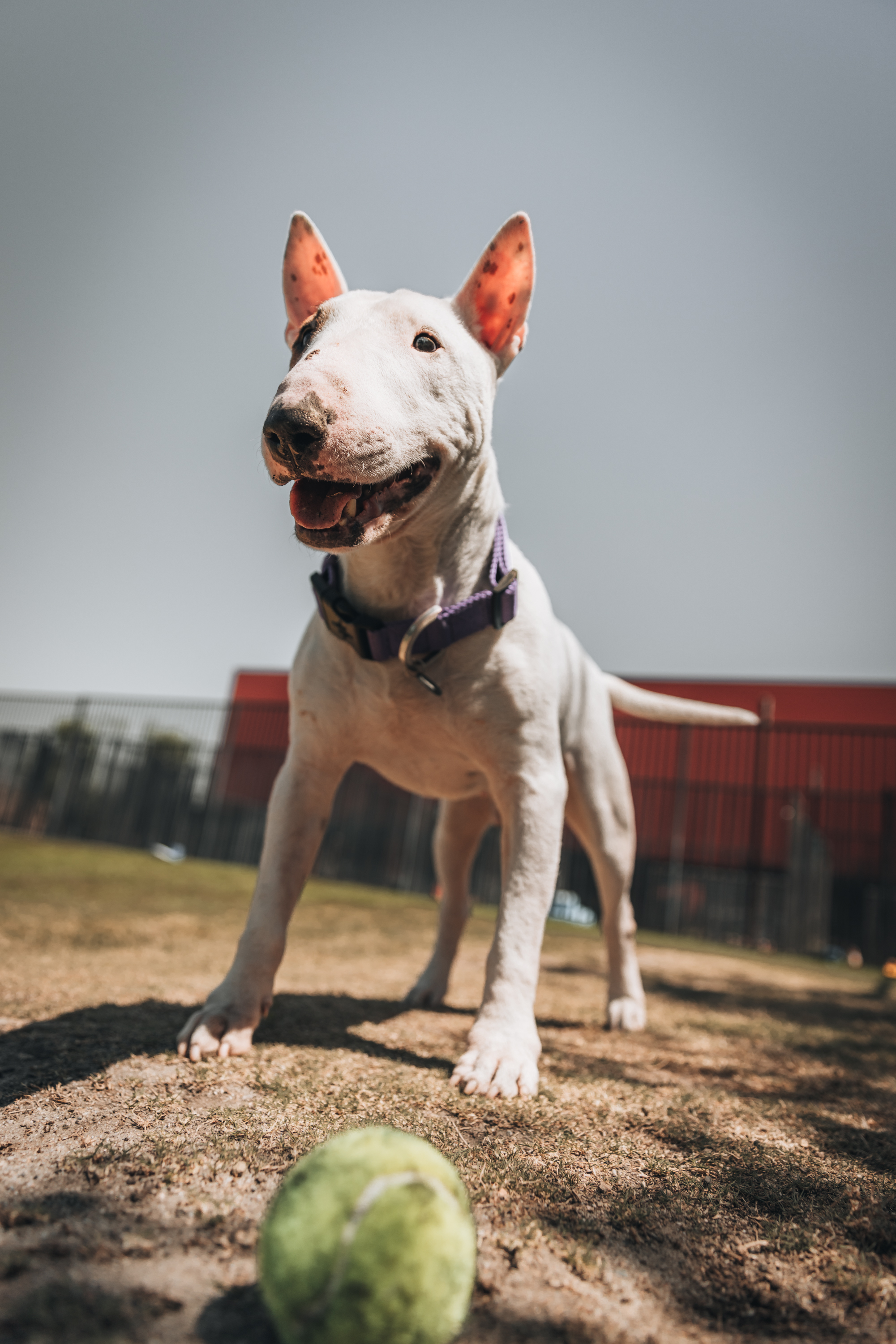
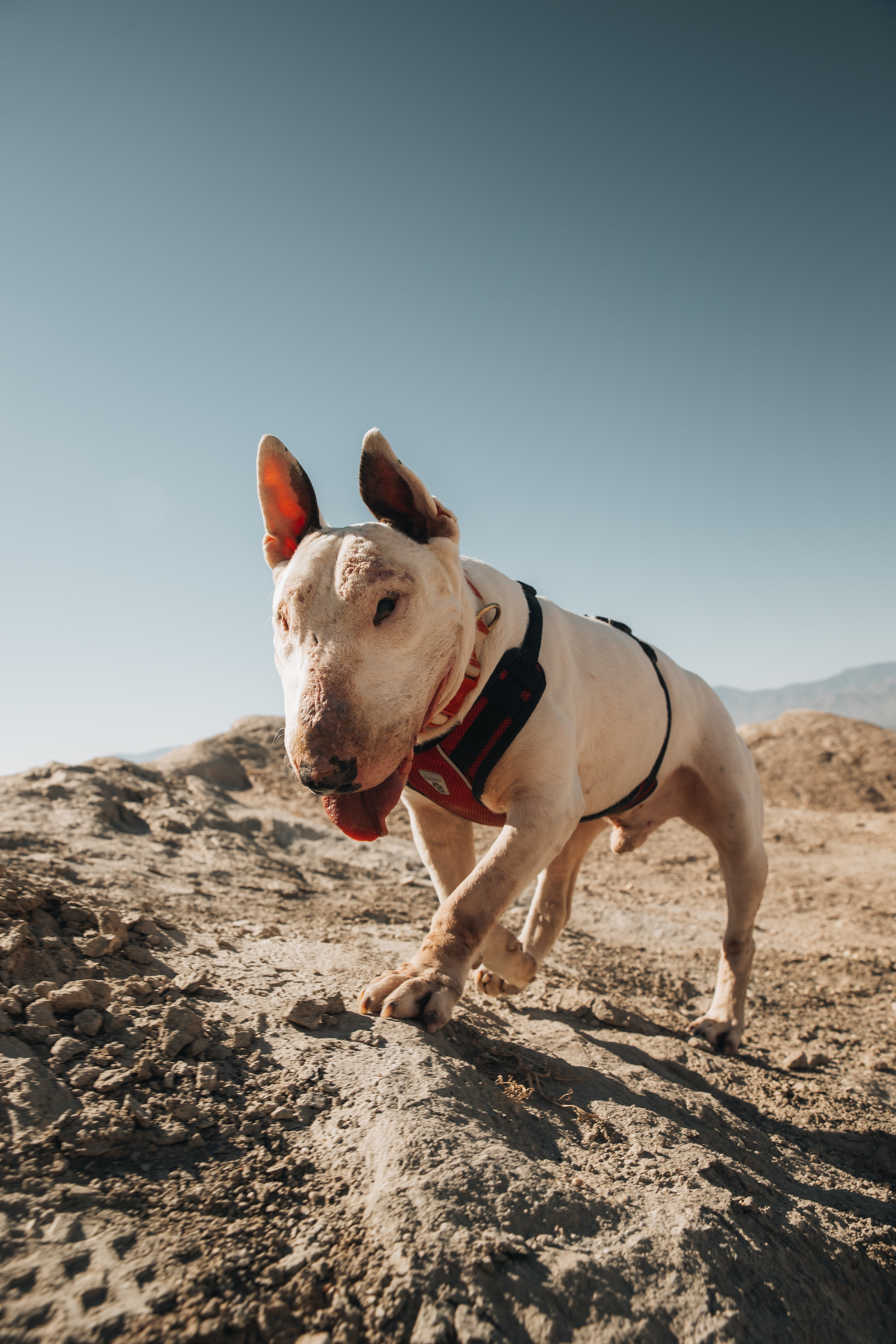
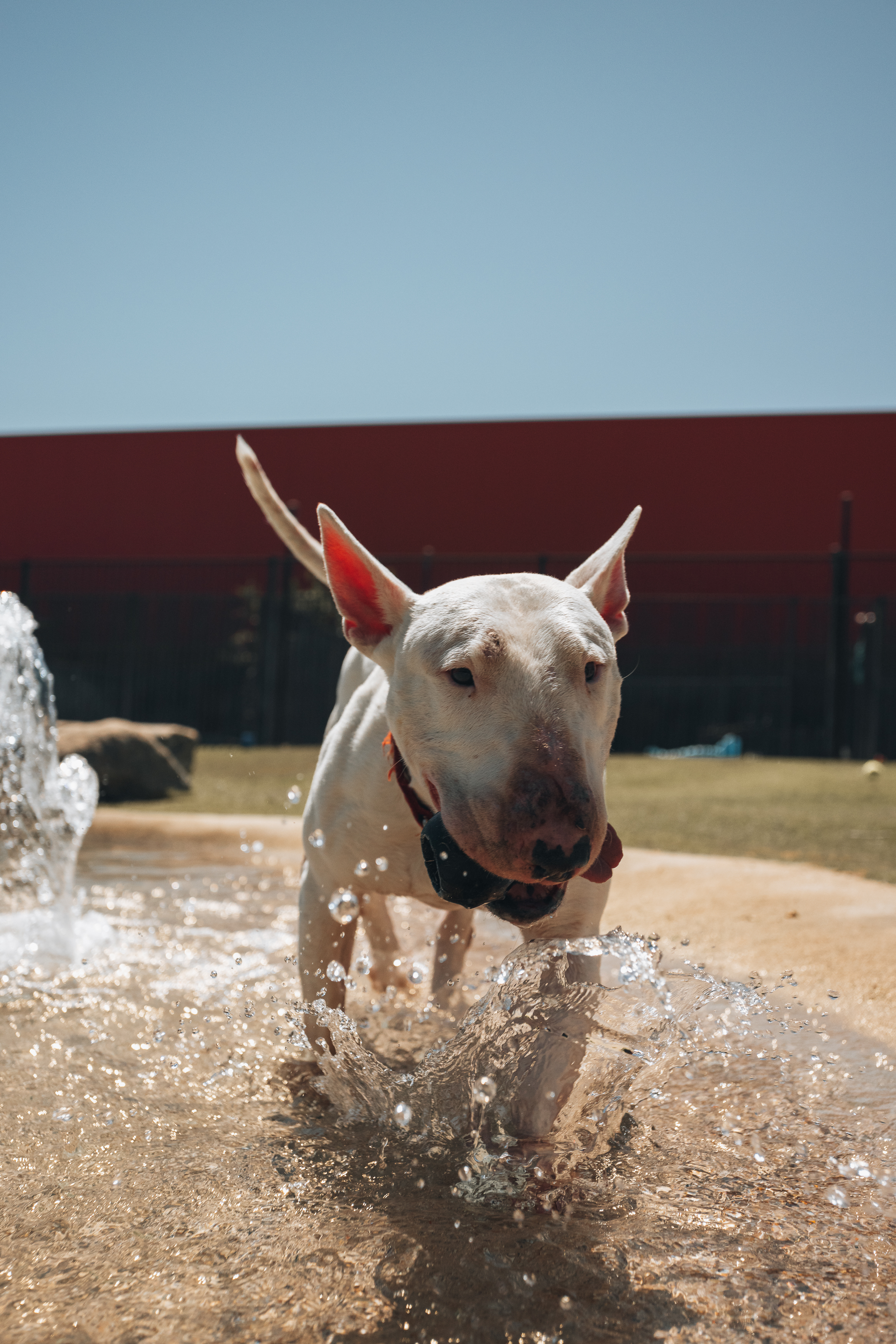
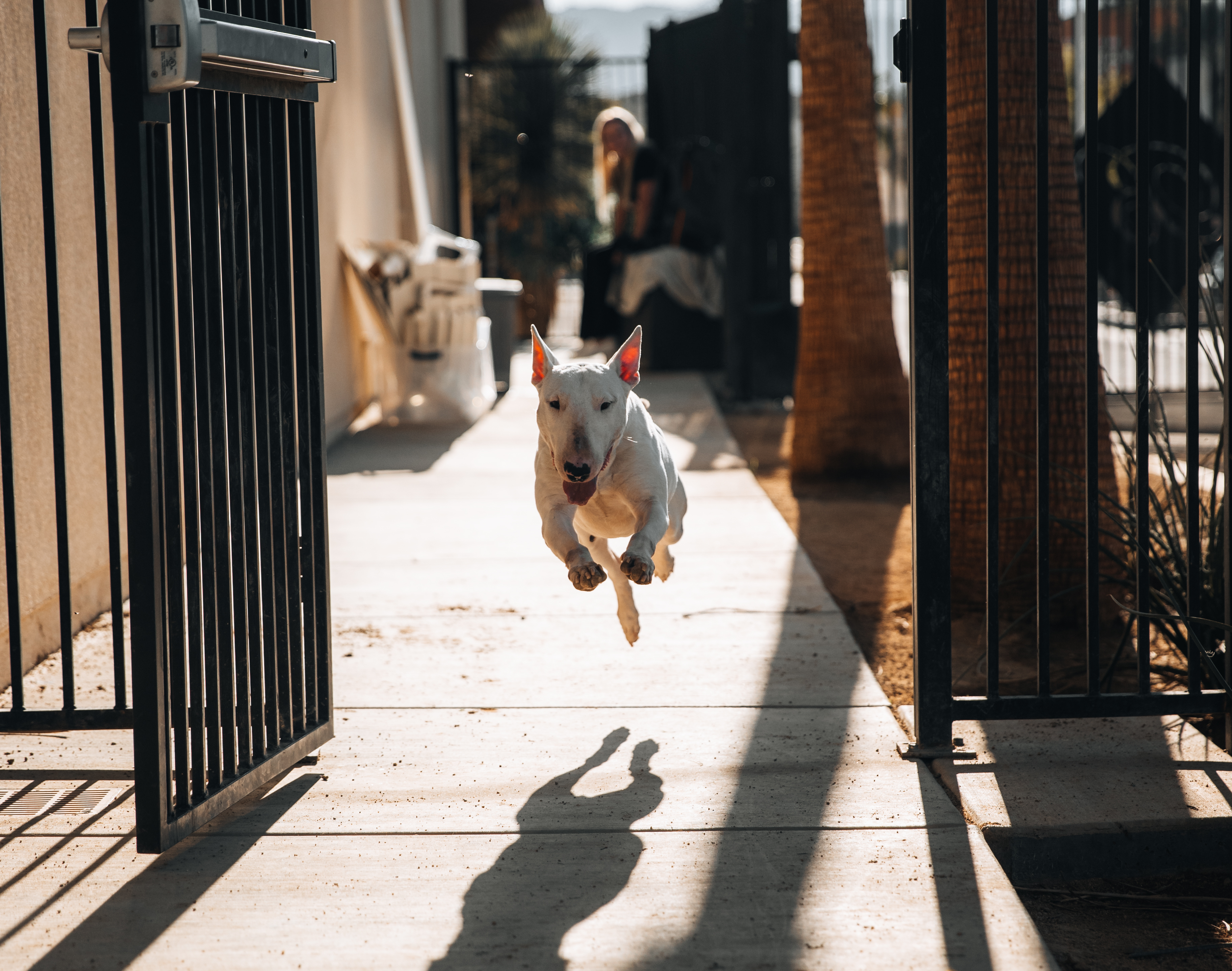
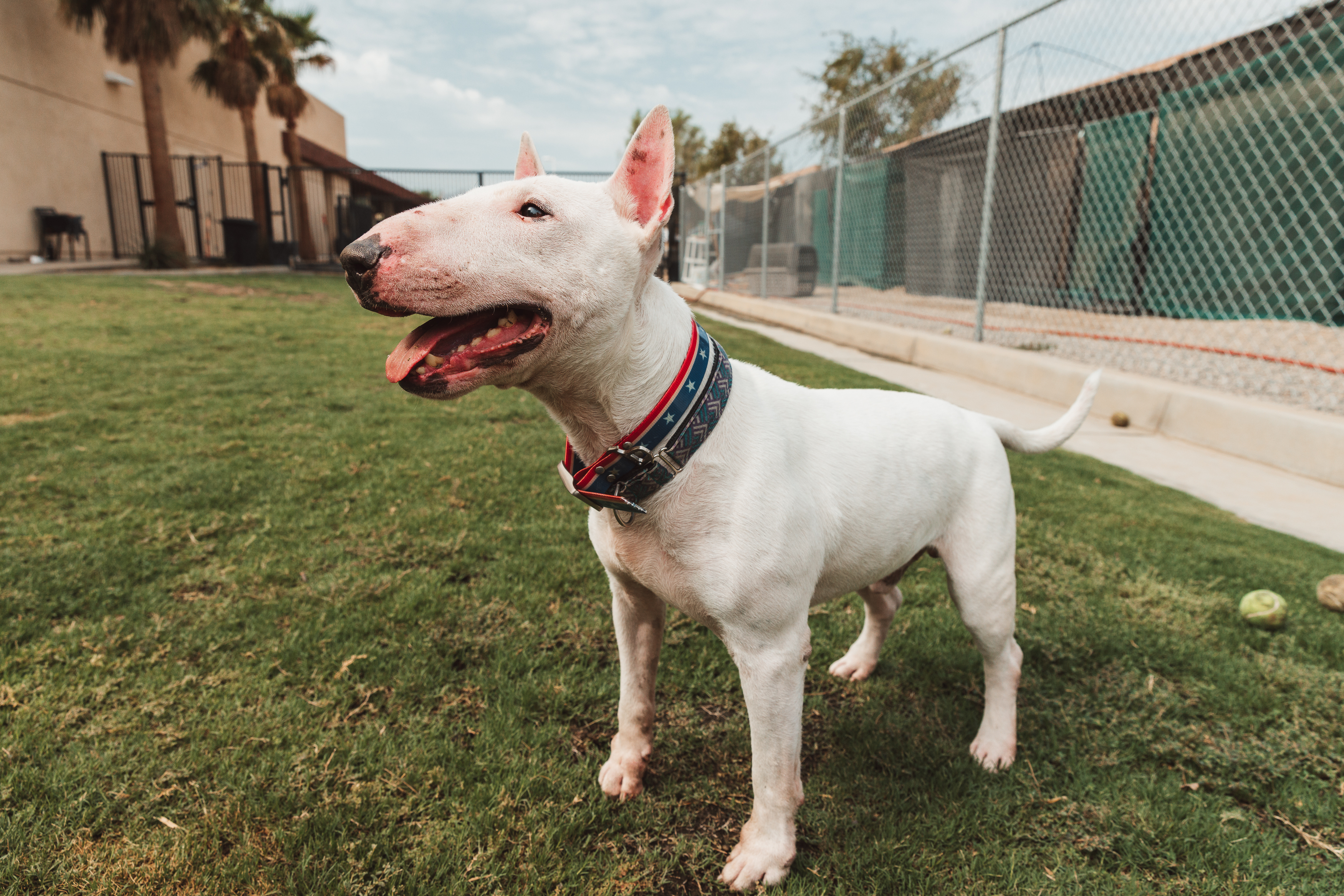
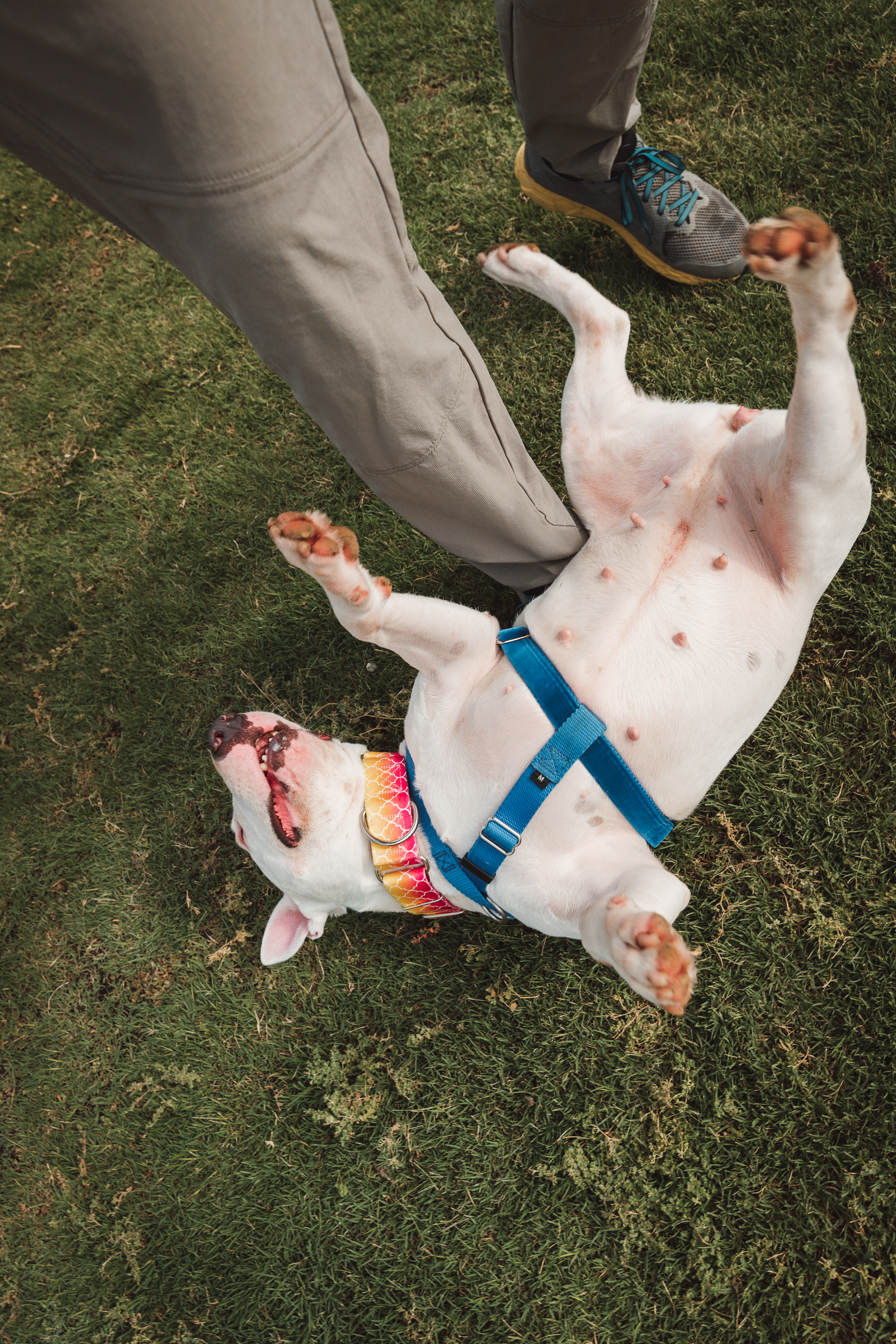
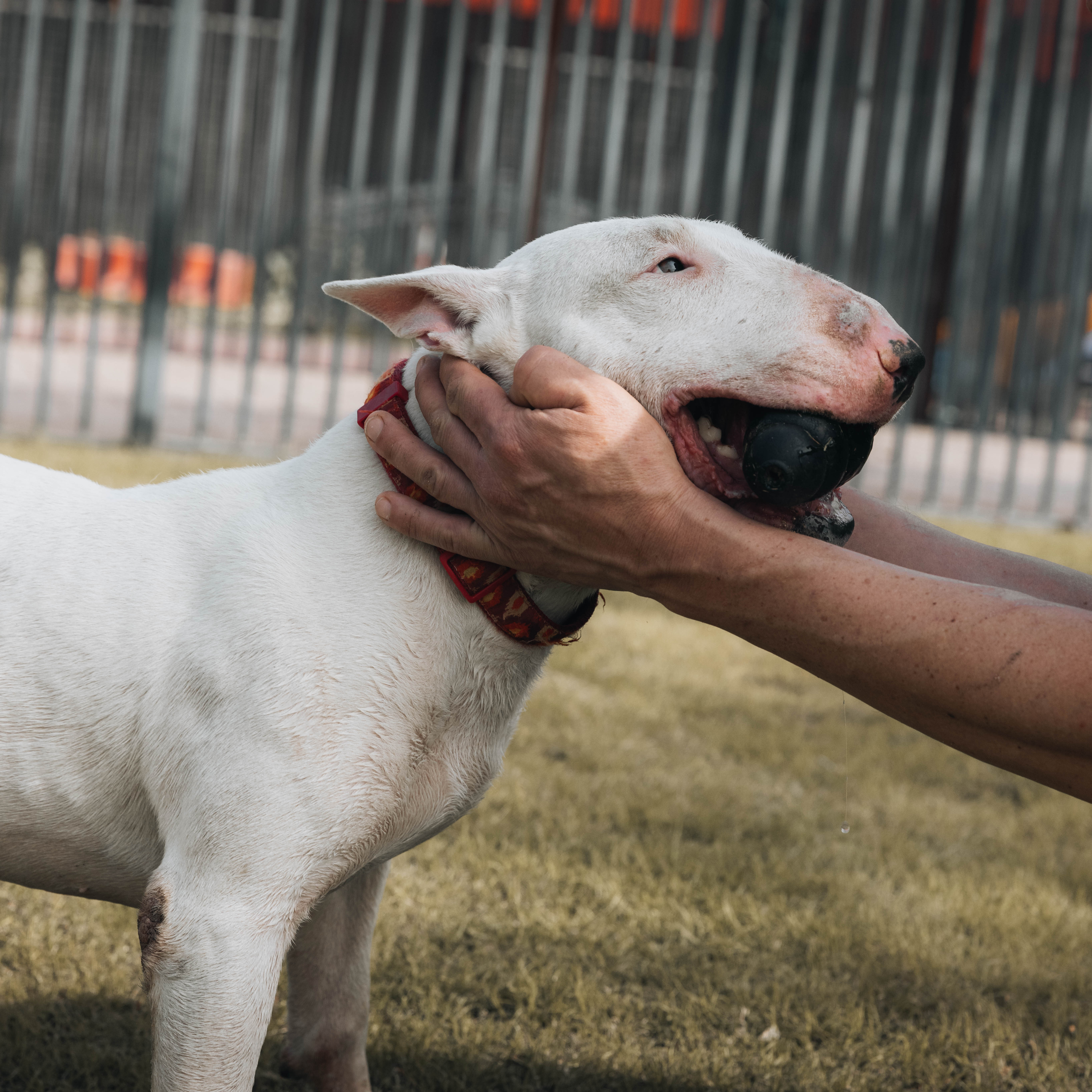
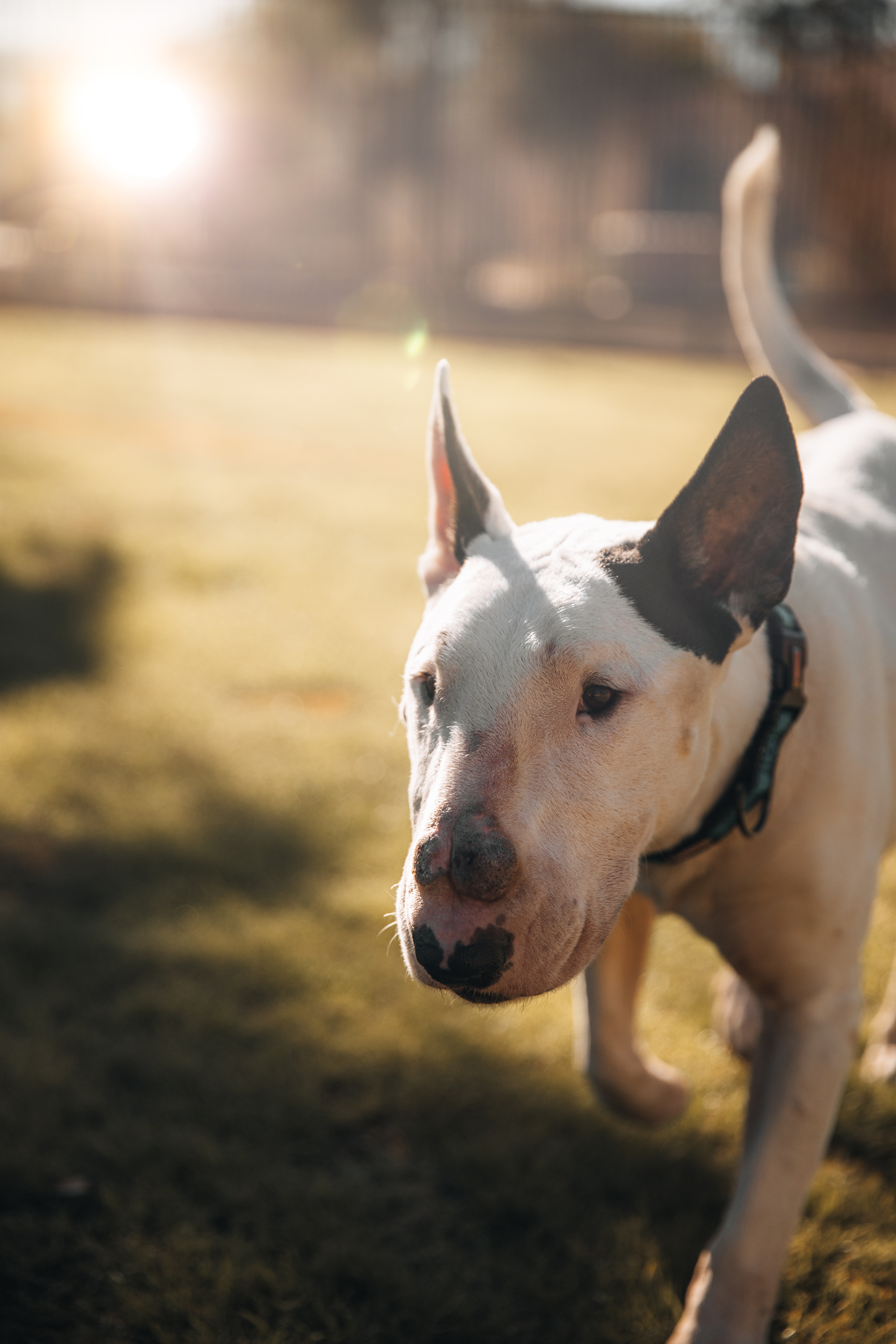
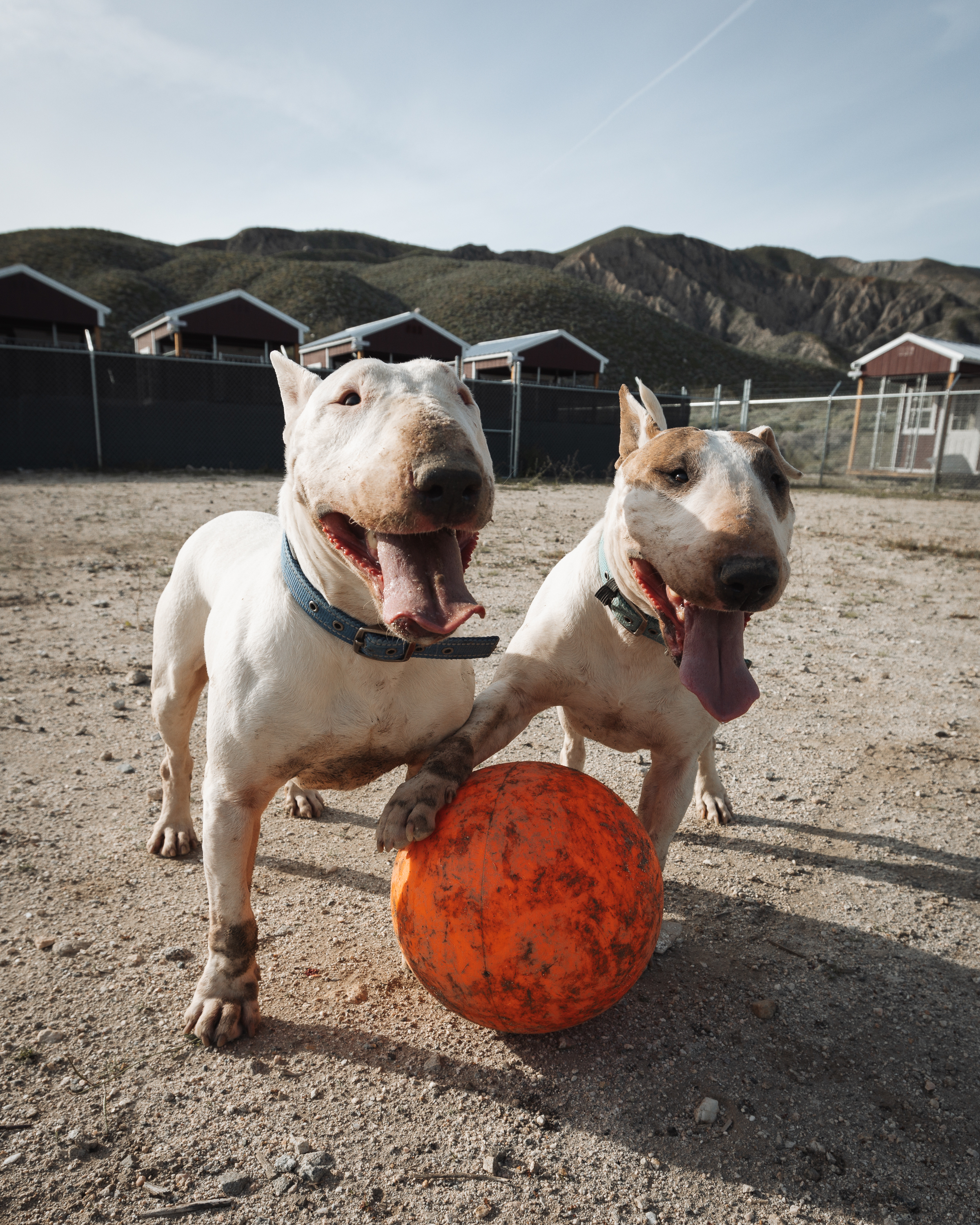
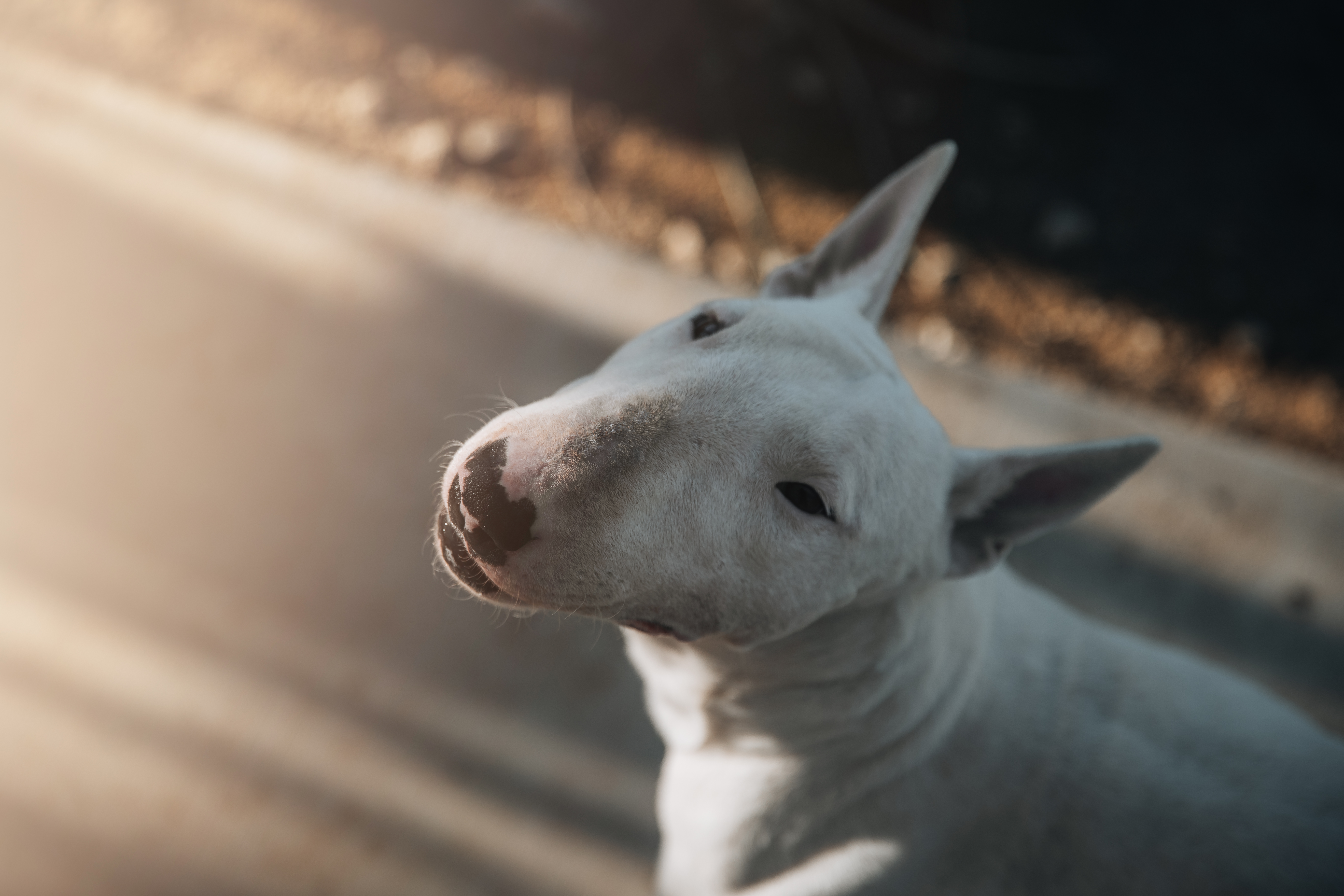
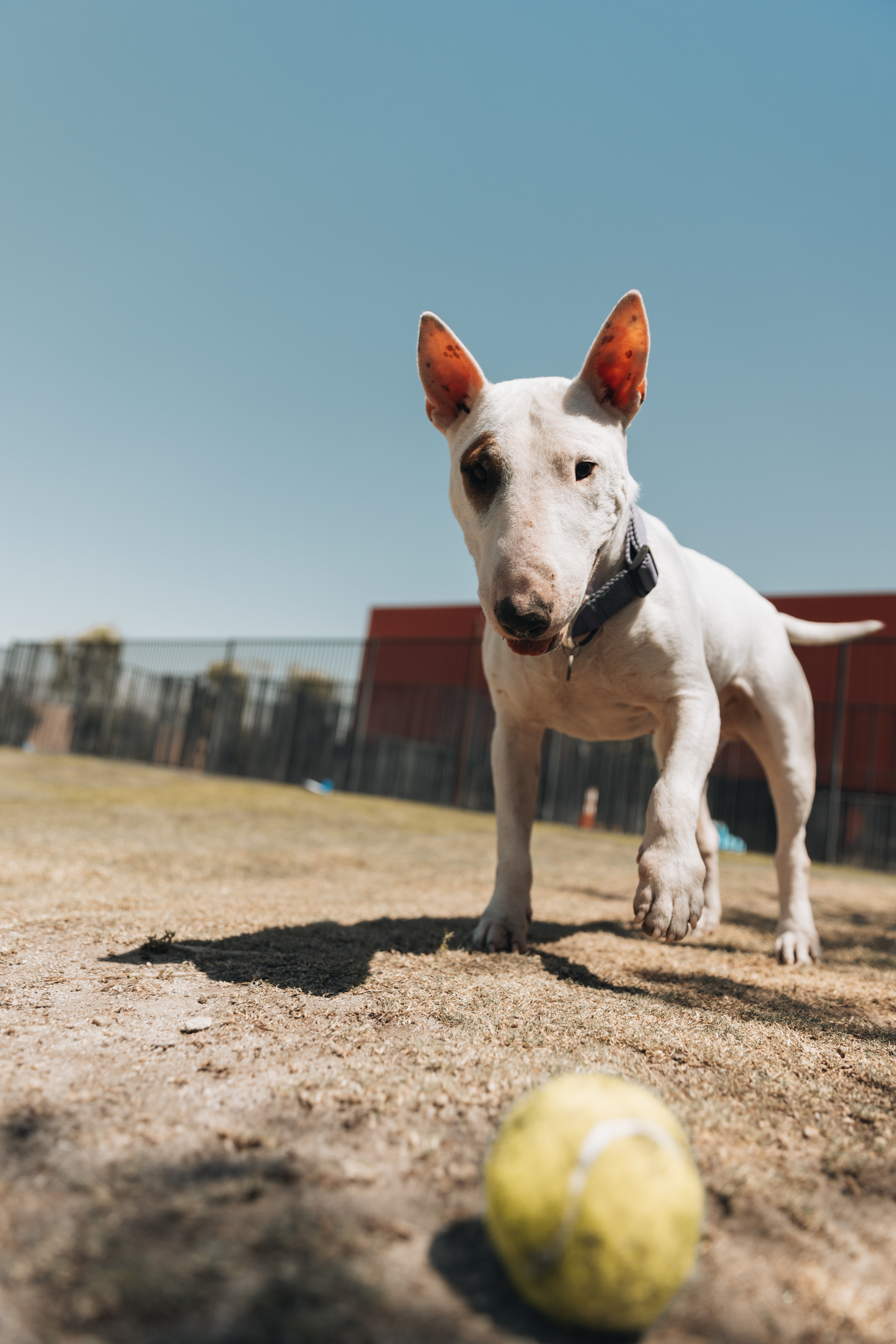
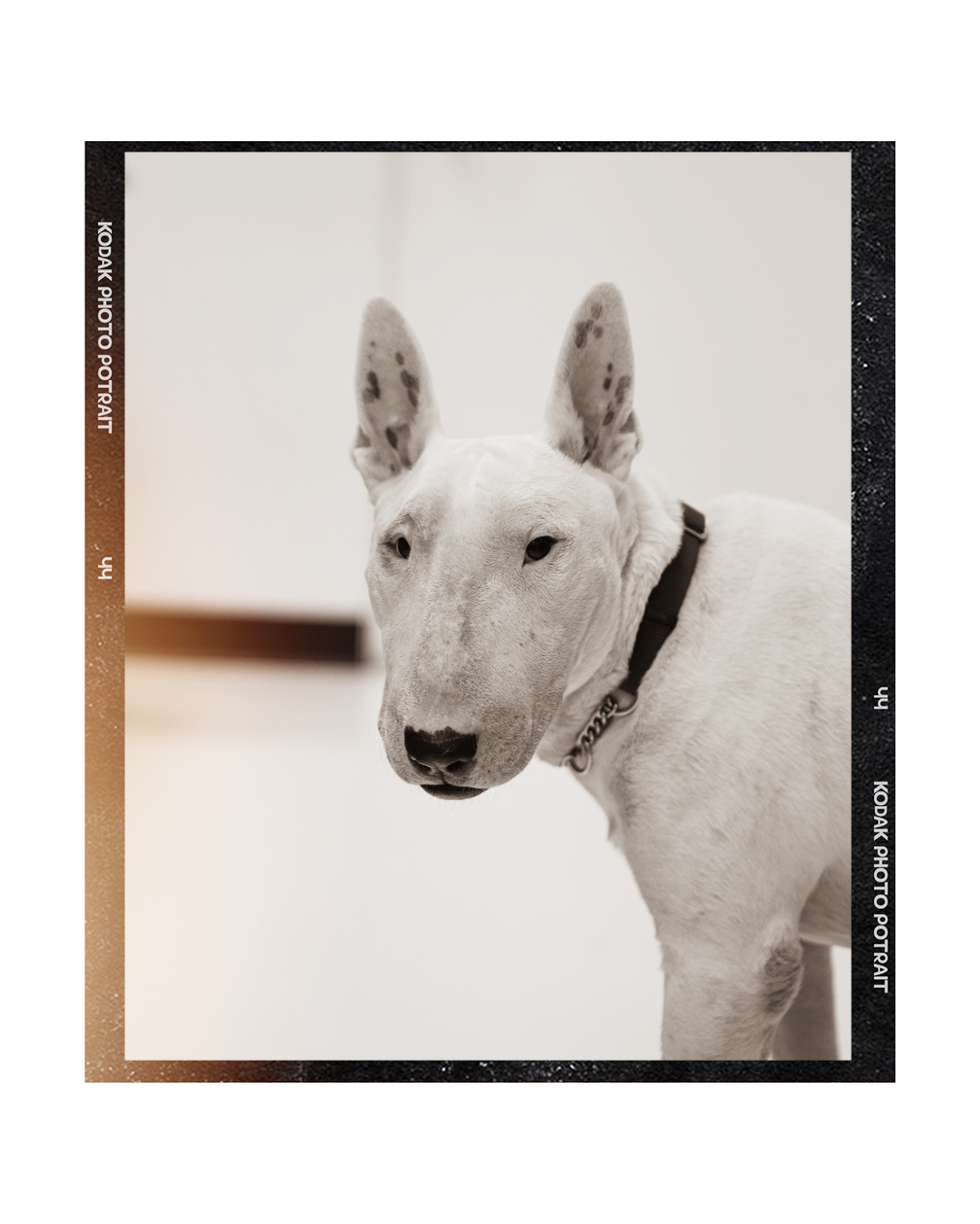
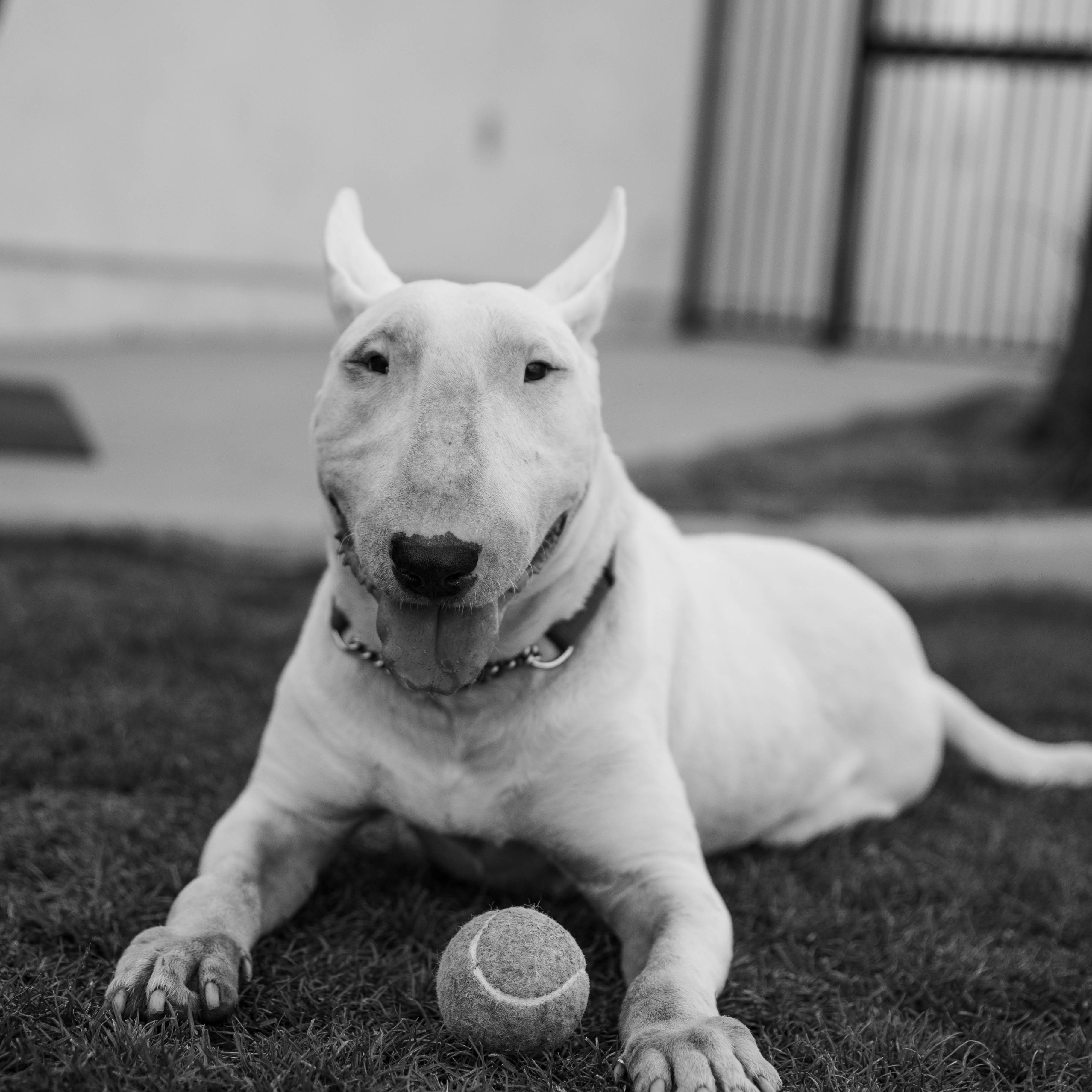
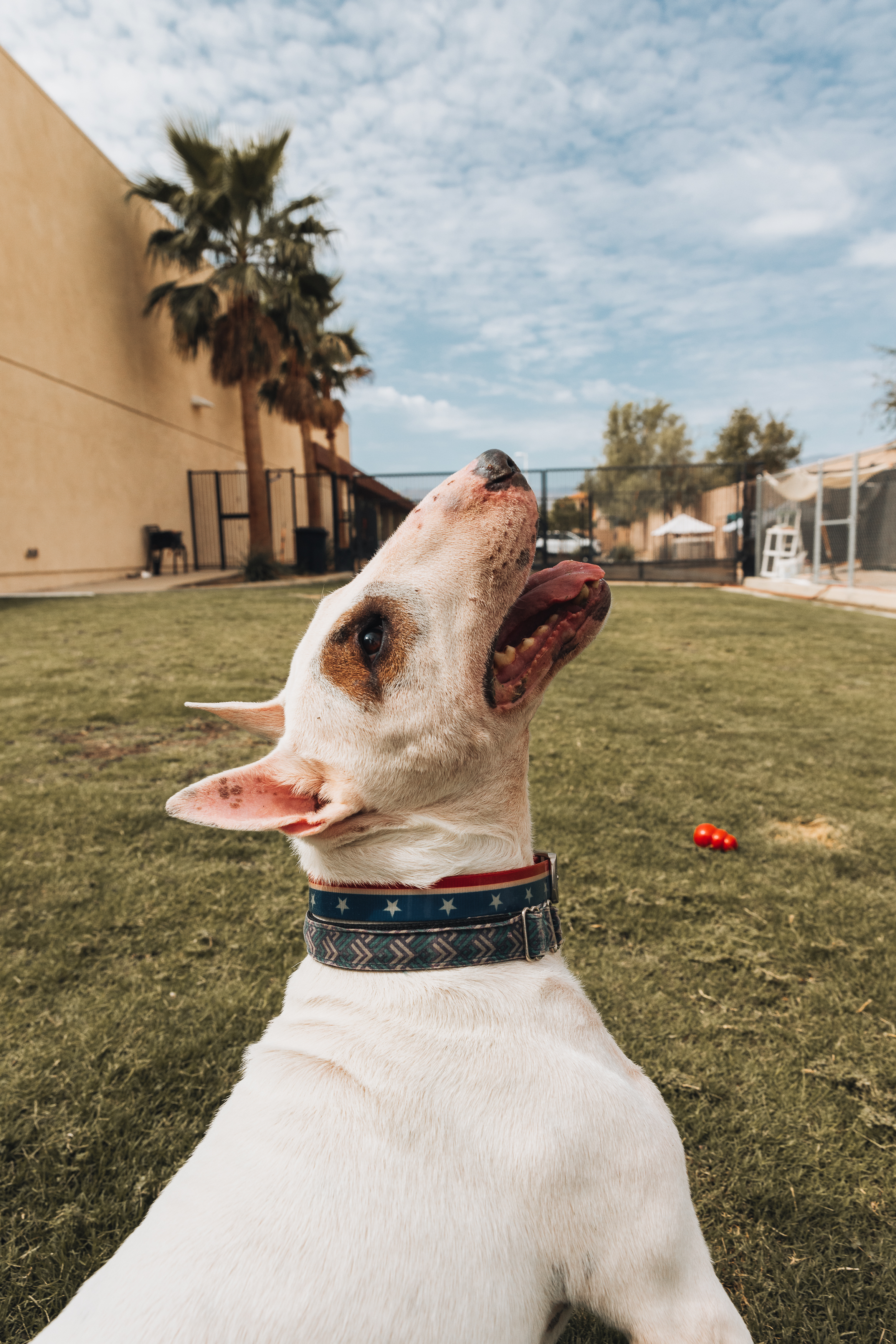
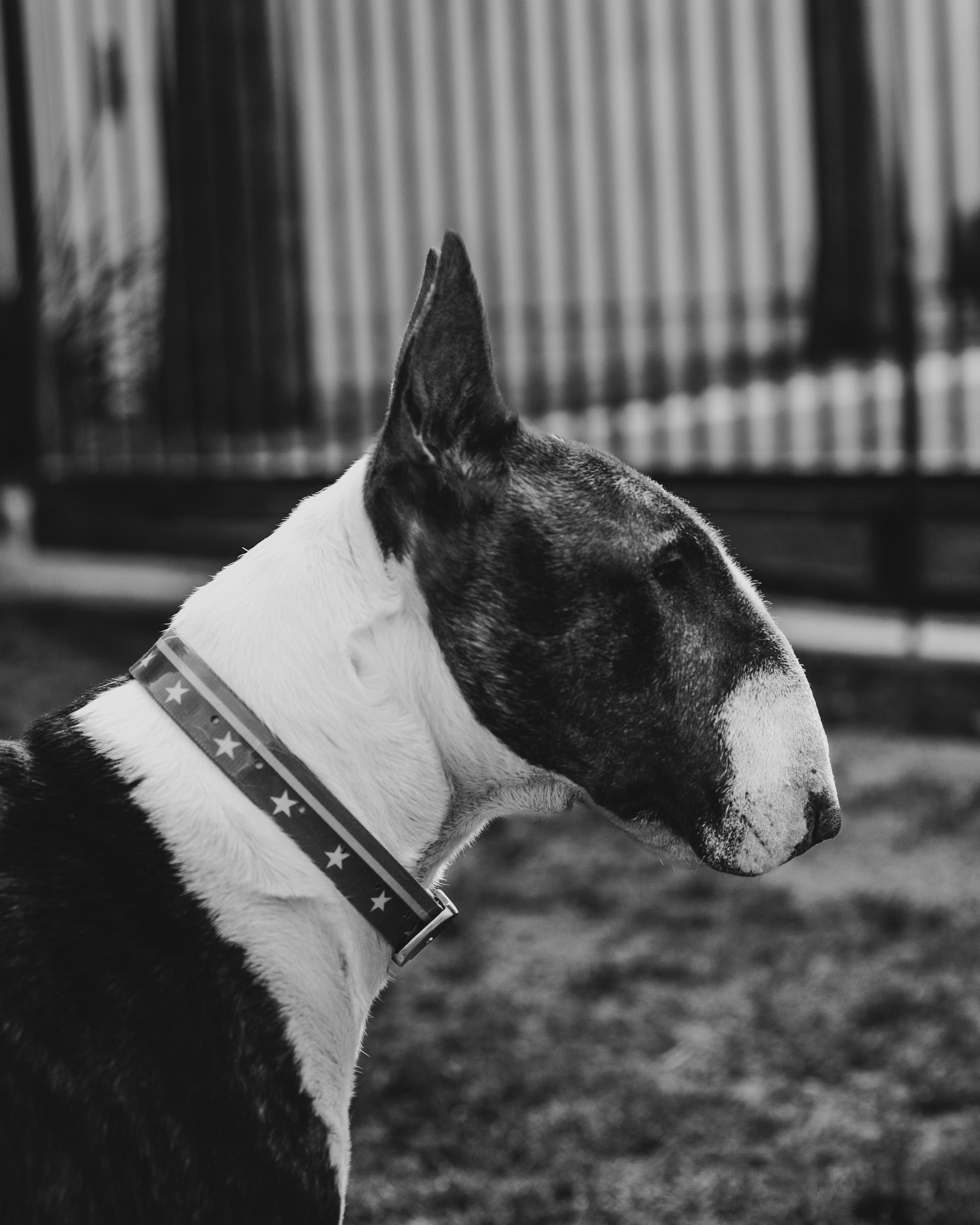
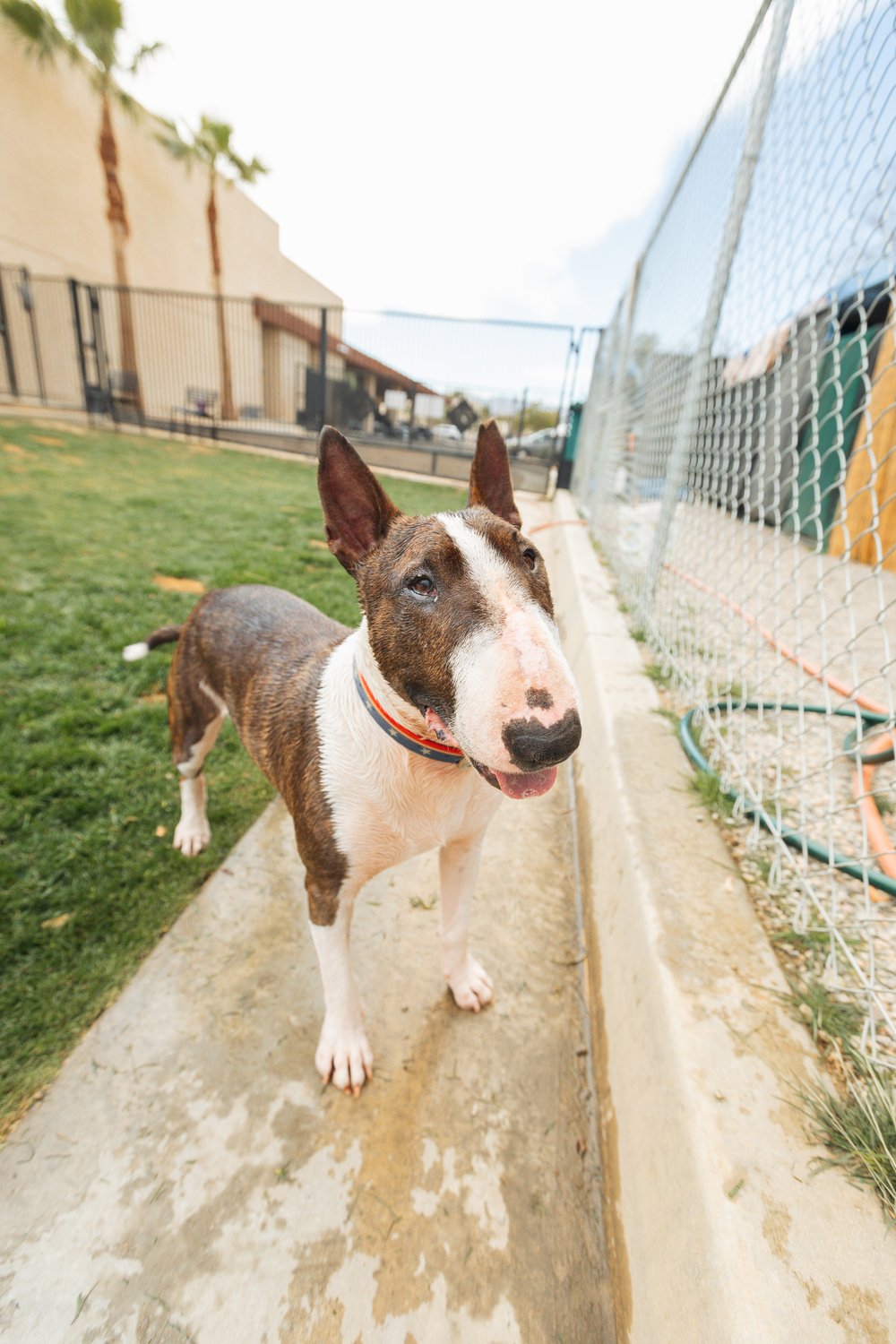
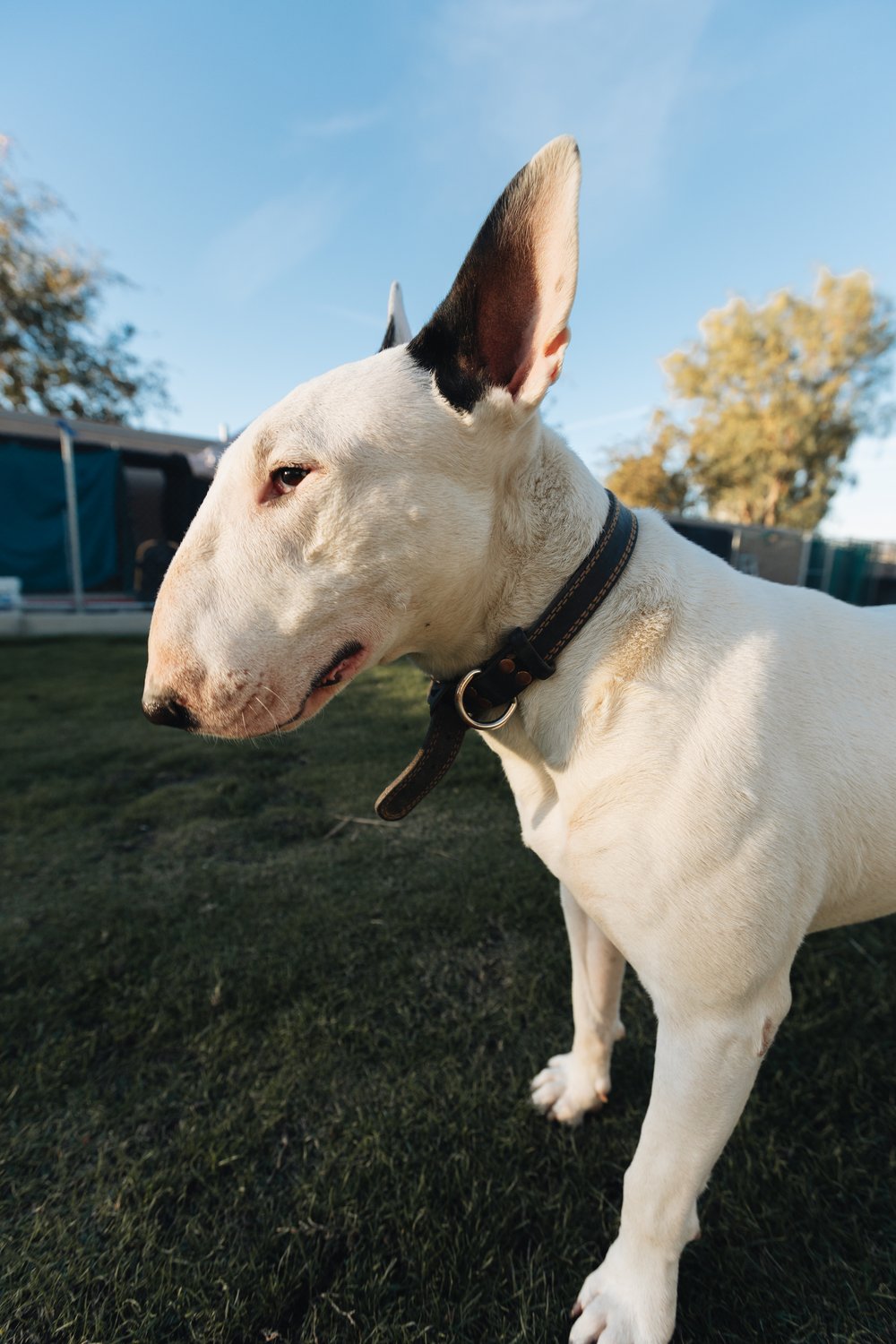
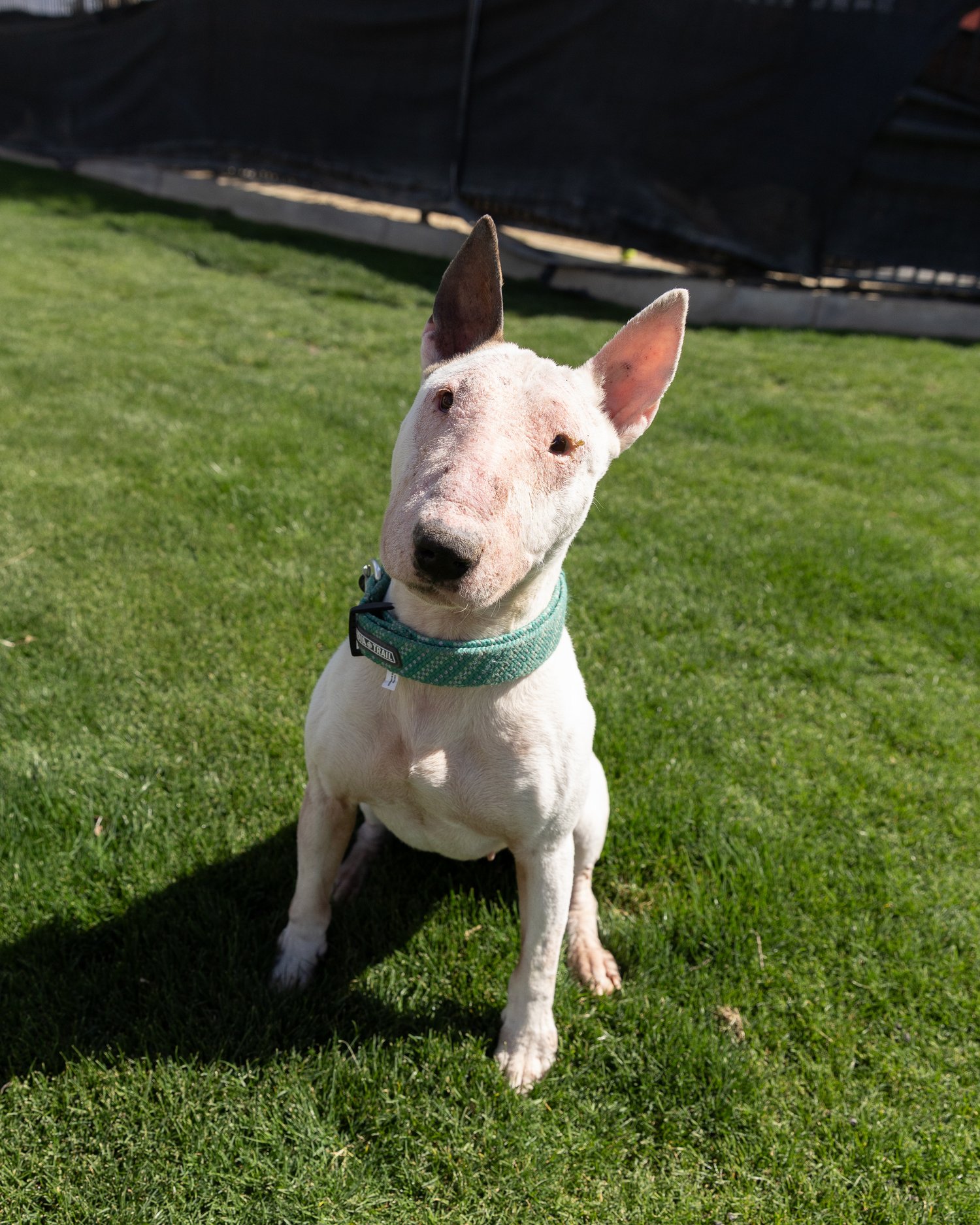
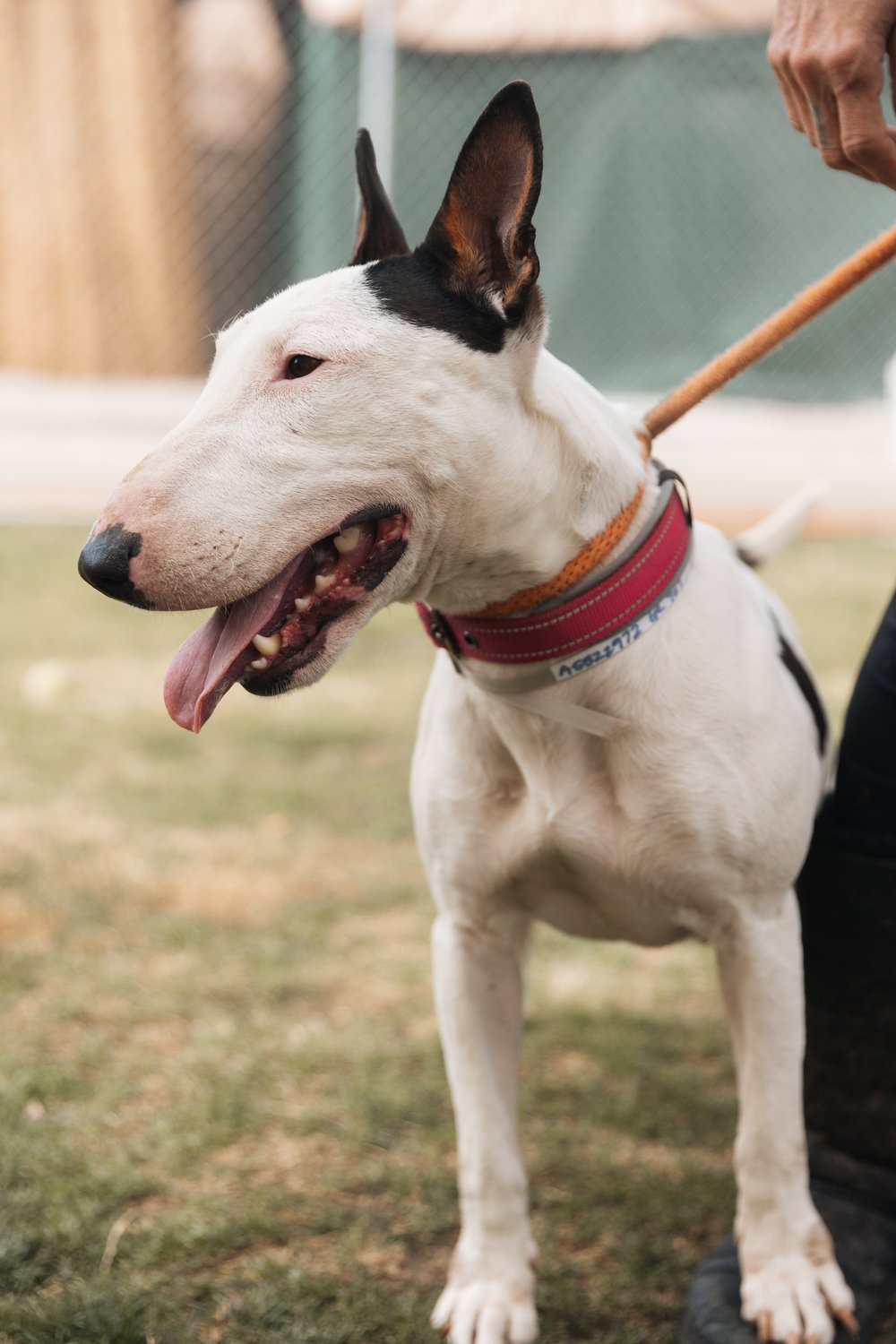
Trade controlled studio lighting for sunlit yards. Trade posed stillness for motion, for the sprint and the shake and the look back over the shoulder. Bring everything: the action sports instincts, the cinematic portrait work, the ability to tell a full story in a single frame. Point it at dogs who'd never had anyone fight for their first impression before.

Personality was already there. The image just needed to show it.

The result was immediate. And inspiring.

Dogs started getting adopted faster. Not because the dogs changed. Because people could finally see them.

Each image, from a goofy, sun-drunk grin to a quiet, searching gaze, gave potential adopters something to connect with before they ever stepped through the door. The rescue label stopped being the loudest thing in the frame. The individual became visible.

Nearly four years. Hundreds of dogs. The measure of this work isn't a statistic — it's the dog that found a home because someone stopped scrolling.

400+ Bull Terriers Photographed
1,000 Lives changed, dogs and the families who found them.
North America & Canada Rescues & Networks Supported
000+ Bull Terriers Saved by Calpaws

Every dog deserves to be seen.

Meet the Bull Terriers waiting for their second chance through California Paws Rescue.

ADOPT HERE